
Roofing in Hacienda Heights, CA Built for Heat, Santa Anas & Winter Storms
A lot of Hacienda Heights roofs look fine from the street. The trouble is underneath. After 30 to 50 summers of 100°F heat and steady UV, the felt under the tile gets brittle, shingles shed their granules, and pipe boots crack. You usually won't know until the first big storm in November or December, when a stain spreads across the ceiling. Bennington Roofing works with homeowners here to find those hidden failures early. We explain what's really happening in plain terms, give you an honest price, and do the repair, re-roof, or replacement with careful craftsmanship.
We work on the roofs this community actually has: 1960s ranch homes along the Colima Road corridor, split-levels around Steinmetz Park, Spanish-tile homes near Hacienda Boulevard, and steep custom homes up toward Turnbull Canyon in the Puente Hills fire zone. We know LA County Building & Safety permits, Class A and ember-resistance rules, and HOA tile-profile approvals. We plan for steep driveways and solar panels too. Whether it's one slipped tile or a full tear-off, we keep the process simple.
- ✓Bonded roofing contractor
- ✓Fully insured crews
- ✓Free, no-pressure project quotes
- ✓Financing available for larger projects
- ✓Serving a 20-mile radius around Hacienda Heights
- ✓Residential, commercial & emergency roofing
Request Your Free Estimate
No obligation. Fast, honest quotes.
Thank you — your request was sent!
A member of the Bennington Roofing team will reach out shortly. Need help now? Call 626-548-6498.
Why Hacienda Heights Roofs Need Specialized Care
Hacienda Heights sits on the north slope of the Puente Hills, at the edge of the San Gabriel Valley. That spot means long dry heat, Santa Ana winds, wildfire exposure, and earthquake risk. On top of that, most homes are 50+ years old and permits run through the county, not a city hall. Each of these affects how your roof wears and how it has to be fixed.
Climate: Months of Sun, Then a Few Hard Storms
The area gets only about 14–17 inches of rain a year, and nearly all of it falls between November and March, often in short, intense atmospheric-river storms. For the other seven or eight months, roofs bake. Summer highs sit in the upper 80s to low 90s, and heat waves top 100°F from July through September. Hillside lots catch the full afternoon sun. That much UV dries out asphalt shingles, breaks down tile underlayment, and cracks sealants. A long dry season also hides slow failures, so leaks seem to show up all at once. Santa Ana winds from the northeast lift shingles and loosen ridge caps. May–June marine-layer mornings keep north-facing slopes and shaded areas damp, which lets moss and debris build up.
Built Environment: Post-War Tracts and Aging Tile
Most homes went up between the late 1950s and the 1970s, when citrus and walnut groves on the valley floor became single-story ranch tracts. Split-levels and two-story homes then climbed into the hills, and custom hillside homes followed through the 1990s. Concrete and clay tile can last 50+ years, but the original felt underneath often fails after 25–40, so many roofs need a lift-and-relay rather than new tile. Older composition roofs are often on their second or third layer. Former shake roofs may sit on spaced sheathing that needs solid decking. Pre-1980 homes can contain asbestos in roofing or mastics. Rooftop solar is common, so the panels have to be removed and reset during most re-roofs.
Regulations: County Permits, Fire Zones & HOAs
Hacienda Heights is unincorporated Los Angeles County. Re-roof permits and inspections come from LA County Public Works, Building & Safety, and are usually limited to two roof layers before a full tear-off is required. Parts of the Puente Hills are mapped as Very High Fire Hazard Severity Zones. There, Wildland-Urban Interface rules generally require Class A roof assemblies, bird stops at tile ends, and ember-resistant vents, which effectively rules out wood shake. Title 24 energy rules may require cool-roof products on larger replacements. Land use falls under the Hacienda Heights Community Standards District, and some gated and hillside tracts have CC&Rs that control tile color and profile.
Homeowners: Long-Time Owners Making a Big Decision
Hacienda Heights has about 54,000 residents. Homeownership is high, many families have stayed in the same house for decades, and multigenerational households are common. With values commonly around $900K to $1M+, and higher on the hillside, a roof protects a major investment. Many owners are facing their first big roof decision in 20 or 30 years. Some are also getting pressure from insurance companies about roof age. They tend to compare bids carefully and expect permitted work, clear explanations, and minimal disruption at home.
Common Roofing Problems in Hacienda Heights
Most roof problems here trace back to the same few causes: heat, wind, wildfire exposure, seismic movement, and old materials. Some can wait for a scheduled repair. Others turn into ceiling damage or an insurance problem quickly. Here's what we see most often, what causes it, and how to spot it early.
Failed Underlayment Beneath Tile Roofs Serious
The tiles shed most of the water, but the felt underlayment is the real waterproofing layer. When that felt dries out, tears, or turns to powder, water that slips past the tiles goes straight to the decking. The roof can still look perfect from the street.
Why it's common hereMost tile roofs here were installed or re-roofed decades ago with standard felt. Years of attic heat over 100°F and nearly 300 dry days a year break that felt down, and it often fails after 25–40 years. Because the dry season can last eight months, the damage stays hidden until an atmospheric-river storm drops an inch of rain in a few hours. That's why so many tile-roof owners in Hacienda Heights get a surprise leak in December even though the roof hasn't changed visibly.
Signs you'll notice- Ceiling stains after the first heavy storm of the season
- Dark or rotted decking visible from the attic
- Brittle, crumbling felt at the eaves
- Leaks that move around or are hard to trace
- Musty attic smell in winter
- Roof over 25 years old with original felt
Very common on 1960s–70s re-tiled tract homes along the Colima Road corridor and on Mediterranean-style homes near Hacienda Boulevard and the Hsi Lai Temple area. These roofs often still have their original tile but are on their second set of felt, or still have the first.
Our fix: Lift and relay: we remove the tiles, replace rotted decking, install modern underlayment and new flashing, then relay your original tiles and add matching replacements where needed.
Cracked, Slipped & Broken Tiles Moderate
Individual concrete or clay tiles crack, slide out of position, or break at the nose. Each one opens a spot where water, debris, and wind-blown embers can reach the underlayment and attic.
Why it's common hereOlder tile gets brittle, and Hacienda Heights roofs see a lot of foot traffic from solar installers, satellite techs, and AC contractors who don't know where to step. The Puente Hills blind-thrust fault runs under the area, and even moderate shaking can shift or crack heavy tile. Santa Ana gusts also loosen tiles whose fasteners have corroded. Matching is tricky because many older tile profiles are discontinued.
Signs you'll notice- Visible gaps or offset rows
- Tile fragments in gutters or on the ground
- Cracks around solar panel arrays
- Missing bird stops at the eave ends
- Sunlight visible through the roof from the attic
- Loose ridge caps after windstorms
We see this most on homes with rooftop solar and on two-story homes around Steinmetz Park and Countrywood Park, where tradespeople cross the roof often. We also see it after small earthquakes and Santa Ana wind events in fall and winter.
Our fix: Replace broken tiles with salvaged or closely matched profiles, reset slipped courses, and add bird stops. If the underlayment is also near the end of its life, we'll tell you so you can plan for it.
Active Storm Leaks Emergency
Water coming into the living space, attic, or walls during or right after rain. If it isn't stopped quickly, it soaks insulation and drywall, damages electrical fixtures, and can lead to mold within days.
Why it's common hereIn Hacienda Heights, a whole year of rain can come in a handful of storms. After months of dry weather, debris-clogged valleys, cracked flashing, and worn underlayment all get tested at once. That's why emergency roofing calls spike from November through March. Many households here are multigenerational, so a leak over a bedroom affects more people.
Signs you'll notice- Dripping from ceilings or light fixtures
- Bubbling paint or sagging drywall
- Water running down interior walls
- Wet insulation in the attic
- Overflowing valleys or gutters during rain
- Puddles near skylights or chimneys
Leaks hit hardest on hillside homes below Turnbull Canyon, where fast runoff and Santa Ana debris jam valleys. Low-slope patio and porch roofs across the valley floor are also frequent trouble spots.
Our fix: Emergency tarping or temporary sealing to stop the water, photos for your insurance claim, then a permanent repair once the roof is dry enough to work on safely.
Heat-Damaged Asphalt Shingles Moderate
Composition shingles that are losing granules, curling, cracking, or blistering. Once the granules are gone, the asphalt underneath is exposed to UV and breaks down quickly, which shortens the roof's life.
Why it's common hereHacienda Heights roofs get intense sun for most of the year, and south- and west-facing slopes on the hillside take the worst of it. Many 1960s–70s ranch homes have shingles installed over poorly ventilated attics that bake at 140°F or more. That heat ages shingles from below as well as above. Santa Ana winds then catch the curled edges and tear tabs off.
Signs you'll notice- Granules collecting in gutters or at downspouts
- Curled or cupped shingle edges
- Bald or shiny patches
- Missing tabs after windstorms
- Cracked shingles on sunny slopes
- Attic that feels extremely hot in summer
Most common on single-story ranch tracts on the valley floor near the 60 Freeway and on older homes in Avocado Heights and La Puente. Many of these roofs are already the second or third layer.
Our fix: Spot repairs for isolated damage. For widespread wear, we tear off to the deck, add solid sheathing where needed, and install a Class A shingle with better attic ventilation.
Worn Flashing, Pipe Boots & Chimney Seals Serious
Flashing is the metal and sealant that waterproofs valleys, walls, chimneys, skylights, and vent pipes. When it corrodes, cracks, or pulls away, water runs directly into the framing.
Why it's common hereRubber pipe boots and sealants break down quickly under constant UV, often within 10–15 years here. Many original brick fireplaces have flashing that's 50+ years old. Earthquake shaking and slow hillside settlement on expansive clay soils can rack the house frame enough to open flashing joints. The old valley metal on many tile roofs is also rusting through.
Signs you'll notice- Leaks around chimneys or skylights
- Cracked or split rubber around vent pipes
- Rusted valley metal
- Stains on walls under a roof-to-wall junction
- Loose or missing chimney counterflashing
- Gaps in old mortar or caulk
Common on split-levels and multi-level homes climbing into the Puente Hills, where many roof planes meet walls. Also common on older brick-fireplace homes throughout the Colima Road and Hacienda Boulevard neighborhoods.
Our fix: Replace pipe boots, re-flash chimneys and walls with new step and counterflashing, and install new valley metal. Where it makes sense, we do this as part of a lift-and-relay.
Ponding on Flat & Low-Slope Roofs Moderate
Flat and low-slope areas like patio covers, additions, carports, and porch roofs that hold standing water after rain. Over time, the membrane blisters, splits at the seams, and lets water into the structure below.
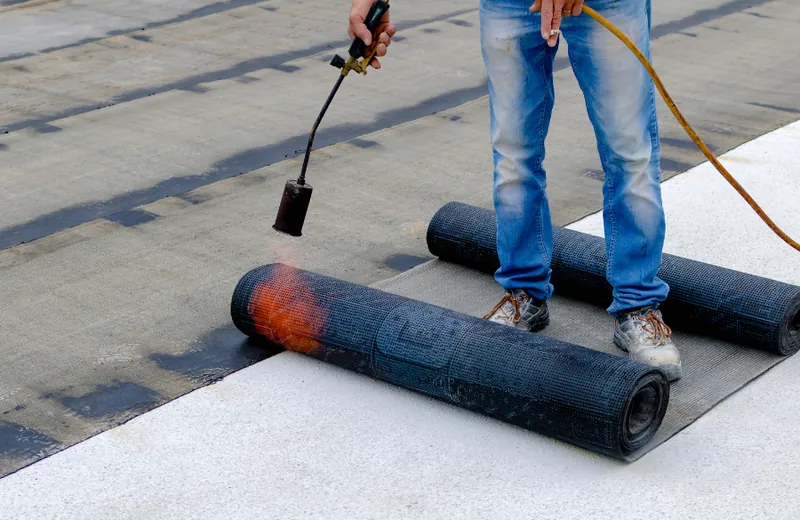
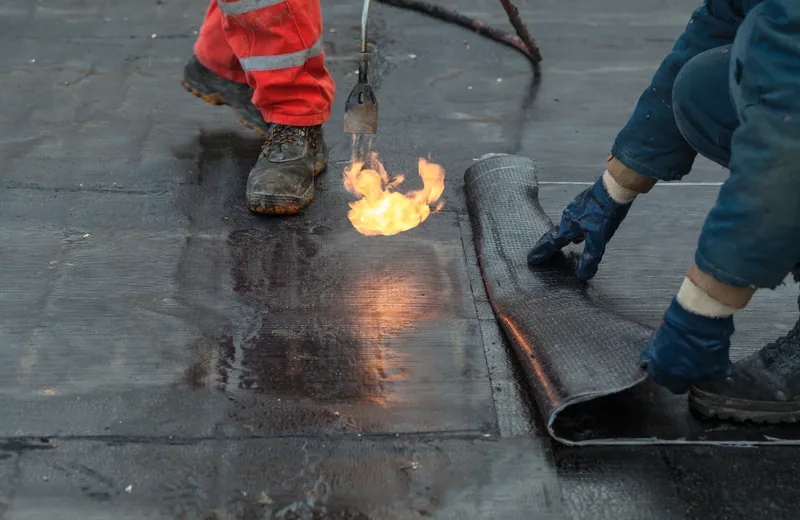
Why it's common hereMany Hacienda Heights homes added rooms, patio covers, and carports in the 1970s–90s using built-up, rolled, or torch-down roofing with very little slope. Those materials wear out quickly under constant sun. Then a heavy winter storm leaves water sitting on a surface that's already cracked. Debris from pepper, eucalyptus, and pine trees often blocks the small scuppers and drains.
Signs you'll notice- Standing water 48 hours after rain
- Blistered or alligatored surface
- Split seams or lifted edges
- Leaks at the joint between the addition and the main house
- Sagging patio cover ceilings
- Clogged scuppers or drains
Very common on room additions and patio covers in valley-floor tracts. We see the same issues on small commercial buildings along Hacienda Boulevard and in nearby City of Industry.
Our fix: Repair or replace with a modern reflective membrane, improve slope with tapered insulation or crickets, clear drainage, and seal the tie-in where the low-slope section meets the main roof.
Fire-Zone Vulnerabilities & Insurance Issues Serious
Roof features that let wind-blown embers in, including open tile ends, unscreened vents, debris-packed gutters, and older shake. Increasingly, aging roofs are also triggering insurance inspections or non-renewals.
Why it's common hereThe town borders Puente Hills open space full of chaparral and dry grass: Turnbull Canyon, Powder Canyon, and Schabarum Regional Park. Embers carried by Santa Ana winds cause most home ignitions, and they get in through small openings. Insurers are looking more closely at roof age and condition, especially in Very High Fire Hazard Severity Zones.
Signs you'll notice- Open tile ends with no bird stops
- Leaves and needles packed in valleys
- Older vents without ember-resistant mesh
- Remaining wood shake or shake underlayment
- Insurer letter asking for a roof inspection
- Roof age over 20–25 years
Concentrated on Turnbull Canyon and Puente Hills hillside homes, the Schabarum Regional Park vicinity, and higher streets that back onto open space. We see the same issues nearby in La Habra Heights and Diamond Bar.
Our fix: Install bird stops and ember-resistant vents, clean out valleys, document roof condition for insurers, and when needed, replace the roof with a Class A assembly that meets fire-zone rules.
Roofing Services for Hacienda Heights Homes & Businesses
Bennington Roofing handles roofs from the first inspection to the final county sign-off. We'll recommend what your roof actually needs, which is often less than you'd expect. We'll also explain the trade-offs in plain language: patching versus lift-and-relay versus full replacement, and tile versus shingle. All work is done by a bonded, insured team.
Roof Repair
We fix leaks, broken and slipped tiles, damaged shingles, failed pipe boots, and worn flashing. We start by tracing the water to where it actually gets in instead of covering up the stain.
Our approachWe combine attic and rooftop inspection, step carefully on tile, match tile profiles from salvage stock where possible, replace flashing with new metal, and use sealants rated for high heat. We document the repair with photos.
In Hacienda Heights, CAMany Hacienda Heights repairs involve tile cracked by solar or AC installers, ridge caps loosened by Santa Anas, and rusted valley metal on 1970s tract homes. We look for discontinued tile matches so the repair blends in with the rest of the roof.
Best for: Roofs with localized damage, sudden leaks over one area, or a sound roof that just needs targeted fixes to get through the next few rainy seasons.
Roof Replacement ⭐ Specialty
We do full tear-offs and lift-and-relay tile re-roofs. For tile, we often save your existing tile and replace only the failed underlayment, decking, and flashing. When the covering itself is worn out, we install a new roof.
Our approachWe test for asbestos on older homes before tear-off, replace damaged sheathing, install modern synthetic or high-temperature underlayment, add new flashing, bird stops, and ventilation, and coordinate solar removal and reinstall. Every project is permitted through LA County Building & Safety.
In Hacienda Heights, CAThis is the most common big project in Hacienda Heights: 30–50-year-old tile roofs whose felt has failed. We'll show you photos of what's underneath, compare lift-and-relay against new tile or shingle, and handle fire-zone and HOA requirements.
Best for: Tile roofs over 25 years old, roofs that leak repeatedly, roofs already at two layers, and homeowners facing insurance inspections or preparing to sell.
Roof Installation
We install new roofs on additions, rebuilds, ADUs, and new construction. That includes concrete and clay tile, architectural shingles, and low-slope membranes, matched to your home's style and local code requirements.
Our approachWe help you choose materials, check structural load when switching between tile and lighter products, install Class A assemblies, use cool-roof options where Title 24 applies, and match tile color and profile to the existing roof or HOA guidelines.
In Hacienda Heights, CAFor ADUs and room additions on Hacienda Heights lots, we make sure the new roof ties into the existing one cleanly and matches it visually. In hillside fire zones, we specify ember-resistant details from the start.
Best for: Homeowners building additions, ADUs, or rebuilds, or anyone switching roof materials who wants the new roof to look like part of the original home.
Roof Inspection
We do a detailed rooftop and attic evaluation and give you a written summary with photos. It covers underlayment condition, tile and shingle wear, flashing, ventilation, and estimated remaining life.
Our approachWe walk the roof carefully, lift sample tiles to check the felt, inspect the attic for staining and decking damage, check vents and bird stops, and review roof age and layers against county rules.
In Hacienda Heights, CAGood timing in Hacienda Heights is September or October, before rains and Santa Anas arrive. Inspections are also useful when insurers ask about roof condition in hillside fire zones, or before buying or selling.
Best for: Owners of roofs over 20 years old, homebuyers and sellers, anyone who received an insurer inspection request, and households planning ahead before the rainy season.
Roof Maintenance
We provide scheduled upkeep that extends roof life: clearing valleys and gutters, resetting slipped tiles, replacing worn pipe boots, resealing flashing, and checking ember-resistance details.
Our approachWe schedule an annual or semi-annual visit, check problem areas against photos from the last visit, make small repairs on the spot, and give you a short condition report so you can budget for future work.
In Hacienda Heights, CAPepper, eucalyptus, pine, and jacaranda trees drop a lot of debris on Hacienda Heights roofs. Clearing it before winter reduces leak risk and fire risk at the same time, which matters especially near Schabarum and Turnbull Canyon.
Best for: Homes with mature trees, tile roofs in mid-life, properties in fire-hazard zones, and long-time owners who want to put off a full replacement as long as possible.
Commercial Roofing
We repair, recoat, and replace roofs on retail, office, religious, and small industrial buildings. That includes low-slope membranes, built-up systems, and tile mansards common on local shopping centers.
Our approachWe survey the roof for drainage and membrane condition, work in phases so businesses can stay open, install reflective single-ply or coating systems, and set up maintenance plans for property managers.
In Hacienda Heights, CAWe serve plazas along the Colima Road corridor and Hacienda Boulevard, plus commercial and light industrial buildings in nearby City of Industry, where flat roofs take constant sun and ponding storms.
Best for: Property owners and managers with aging flat or low-slope roofs, recurring leaks over tenant spaces, or rising cooling costs from dark, heat-absorbing roof surfaces.
Emergency Roofing ⭐ Specialty
We respond quickly to active leaks, storm damage, wind-blown tiles and shingles, and damage from fallen limbs. We stop the water first, then plan a permanent repair.
Our approachWe tarp and temporarily seal the roof, find where the water is coming in, document damage with photos for insurance, and then schedule the permanent repair once conditions are safe and dry.
In Hacienda Heights, CABetween November and March, short, intense storms in Hacienda Heights expose months of hidden wear all at once. Santa Ana wind events also drop eucalyptus and pine limbs onto roofs. Our 20-mile service radius lets us reach local homes quickly.
Best for: Homeowners with water coming inside, roofs damaged by wind or falling limbs, and anyone who needs damage documented for an insurance claim.
How Your Roofing Project Works
We keep the process straightforward. You'll know what we found, what it'll cost, what permits are needed, and what to expect each day the crew is at your home.
Free Inspection & Consultation
- We inspect the roof surface and attic, including lifting sample tiles to check underlayment
- We photograph damage, flashing, vents, and solar mounts
- We check roof layers, age, and whether your property is in a fire-hazard zone
- We listen to your goals, budget, and any HOA requirements
Local note: On hillside homes we also look at driveway slope, staging room, and dumpster placement up front, so there are no surprises later.
Clear Written Proposal
- Itemized scope with options, such as repair, lift-and-relay, or replacement
- Material choices, including tile matching and cool-roof or Class A products
- A plain explanation of the trade-offs and remaining roof life
- Financing options for larger projects
Local note: If your tile profile is discontinued, we list salvage and matching options so you can decide what matters most to you.
Permits, Approvals & Scheduling
- We pull the re-roof permit through LA County Building & Safety
- We arrange asbestos testing on pre-1980 homes when needed
- We help prepare HOA architectural submittals
- We coordinate solar removal and reinstall timing
Local note: Hacienda Heights is unincorporated county, so permits go through LA County Public Works, not a city. We handle that paperwork for you.
Installation Day(s)
- We protect landscaping, driveways, pool areas, and walls
- We tear off or lift tile, replace damaged decking, and install new underlayment and flashing
- We relay or install roofing with bird stops and ember-resistant details
- We clean up every day with magnetic nail sweeps
Local note: We watch the forecast closely from November through March and won't open a roof when an atmospheric-river storm is coming.
Final Inspection & Walkthrough
- County inspector signs off on the permitted work
- We walk the finished roof with you and share before-and-after photos
- We explain care and maintenance for your new roof
- We provide your paperwork for insurance and resale records
Local note: Permit sign-off and photo documentation help with insurers who are asking about roof condition in fire-zone neighborhoods.
Why Hacienda Heights Homeowners Choose Bennington Roofing
We Know Hacienda Heights Roofs Specifically
A roof in a Puente Hills fire zone doesn't need the same thing as a ranch home on the valley floor near the 60 Freeway. We know the local building stock: 1960s tract homes re-roofed in tile, split-levels with complicated roof-to-wall flashing, and custom hillside homes with steep, multi-level roofs. We know how 100°F summers and sudden winter storms wear these roofs, and how Santa Anas loosen ridge caps. That local knowledge lets us diagnose problems accurately, and it keeps you from paying for work you don't need.
Bonded and Insured for Your Protection
Roofing is one of the riskiest trades, especially on steep hillside roofs. Bennington Roofing is bonded and insured, so you aren't carrying the risk if something goes wrong on your property. We're glad to provide proof of coverage before any work starts. California also requires anyone doing roofing work over $500 to hold a CSLB license, and we encourage every homeowner to verify that for any contractor they're comparing, including us.
Tile Roof & Underlayment Specialists
Most roof decisions in Hacienda Heights come down to tile. Can you keep your existing tile? Is the felt underneath failing? Is a lift-and-relay a better value than new tile or a switch to shingle? We explain each option with photos taken from your own roof. Where it makes sense, we save your existing tile, find matches for discontinued profiles, and only recommend full replacement when the roof truly needs it.
Honest, Transparent Pricing
Homeowners here compare bids carefully, and we think that's smart. Our proposals are itemized and written in plain language: decking allowances, underlayment type, flashing, solar removal and reinstall, permits, and disposal are all spelled out. You can compare our bid directly with others. There are no pressure tactics or limited-time pricing, just a clear scope and a fair number.
We Handle County Permits, Fire Codes & HOAs
Hacienda Heights is unincorporated LA County, so permits go through county Building & Safety instead of a city hall, which confuses a lot of homeowners. We pull the permit, schedule inspections, and build in fire-zone requirements like Class A assemblies, bird stops, and ember-resistant vents. We also help with HOA architectural submittals for tile color and profile. Permitted work protects your home's value and gives you documentation for insurers.
Respect for Your Home and Household
Many homes here are multigenerational, with grandparents, kids, and people working from home. We protect landscaping and walls, keep driveways clear when we can, clean up every day, and tell you in advance which days will be noisiest. From the first visit to the final cleanup, our goal is to keep the process simple and stress-free for everyone in the house.
Emergency Help and Flexible Financing
When a winter storm finds a weak spot, you need someone who will pick up the phone. Our emergency roofing service stops active leaks, tarps storm damage, and documents everything for your insurance claim. For bigger projects like a full lift-and-relay or replacement, financing is available, so you don't have to put off necessary work.
Roofing You Can Count On in Hacienda Heights
Hacienda Heights homeowners choose Bennington Roofing for honest assessments, clear pricing, and careful work from the first visit to the final cleanup. We'd rather save your tile than sell you a roof you don't need.
Bonded • Insured • Financing available
Areas We Serve In and Around Hacienda Heights
Bennington Roofing is based in Hacienda Heights and covers a 20-mile radius. That includes every part of the community, from the valley-floor tracts to the Puente Hills ridgelines, plus nearby San Gabriel Valley and Whittier-area cities with similar roofs and weather.
Hacienda Heights Neighborhoods
Neighboring Communities (West & North)
Neighboring Communities (East & South)
We serve homes and businesses within about 20 miles of Hacienda Heights. If you're not sure whether your address is covered, call or reach out through our contact page and we'll let you know. Not sure if we cover your area? Call (626) 548-6498.
How Much Does a Roof Cost in Hacienda Heights?
Roofing costs here depend mostly on what's under your tile, how steep and accessible your roof is, and whether fire-zone or solar work is involved. These ranges reflect typical local projects. Your free inspection will give you an exact, itemized number.
Repair vs. Lift-and-Relay vs. Full Replacement Primary Factor
This decision affects your cost more than anything else. Fixing a few tiles or a pipe boot can cost a few hundred dollars. A lift-and-relay keeps your existing tile and replaces the failed underlayment, so it usually costs much less than new tile while fixing the actual source of most leaks here. Full replacement makes sense when the covering itself is worn out, the roof is already at two layers, or you're switching materials.
Roof Material & Fire-Zone Requirements Primary Factor
Architectural shingles usually cost the least to install. Concrete tile costs more, and clay tile costs more again. In Very High Fire Hazard Severity Zones, Class A assemblies, bird stops, and ember-resistant vents add some cost. If your tile profile is discontinued, finding salvage or close matches can add expense. Switching from tile to a lighter material, or the other way around, may also require a structural load review.
Roof Pitch, Height & Hillside Access Major Factor
A single-story ranch home on flat ground near the 60 Freeway is quicker and safer to roof than a steep, multi-level home above Turnbull Canyon. Steep pitches need more fall protection and slow the work down. Narrow, steep driveways can limit where we put a dumpster and may mean more hand-carrying. All of that adds labor. We look at access during the inspection and include it in your quote from the start.
Decking, Asbestos & Hidden Conditions Variable Factor
You can't see what's under the roof until it's opened. Older homes may have rotted sheathing, or spaced boards from an old shake roof that need solid decking before shingles go on. Pre-1980 homes may need asbestos testing and SCAQMD-compliant handling. We list decking allowances and per-sheet pricing in writing, so any hidden-condition costs are predictable.
Solar, Permits & Extras Additional Factor
Many Hacienda Heights re-roofs include removing and reinstalling solar panels and flashing the new mounts. The LA County permit, new gutters, skylights, attic ventilation upgrades, and Title 24 cool-roof requirements also affect the total. We itemize each of these separately so you can decide which upgrades are worth it to you.
| Typical project | Details | Estimated range |
|---|---|---|
| Leak repair on a tile roof | Replace cracked tiles, reset slipped course, new pipe boot and sealant, single-story home | $450 – $1,800 |
| Tile lift-and-relay (underlayment replacement) | ~2,000 sq ft concrete tile roof, reuse existing tile, new synthetic underlayment, flashing, bird stops, county permit | $18,000 – $34,000 |
| Asphalt shingle replacement | ~1,800 sq ft single-story ranch home, tear-off of two layers, new decking where needed, Class A architectural shingles | $14,000 – $26,000 |
| New tile roof on a hillside home | ~2,800 sq ft steep, multi-level roof in a fire zone, full tear-off, new concrete tile, Class A assembly, solar removal and reinstall | $42,000 – $75,000 |
Financing is available, so you can take care of a lift-and-relay or full replacement now instead of waiting until the next storm forces the issue. Ask about options during your free quote. With local home values commonly around $900K to $1M+, a properly permitted roof protects your largest asset. It also helps with insurance renewals and resale, and it can lower summer cooling costs.
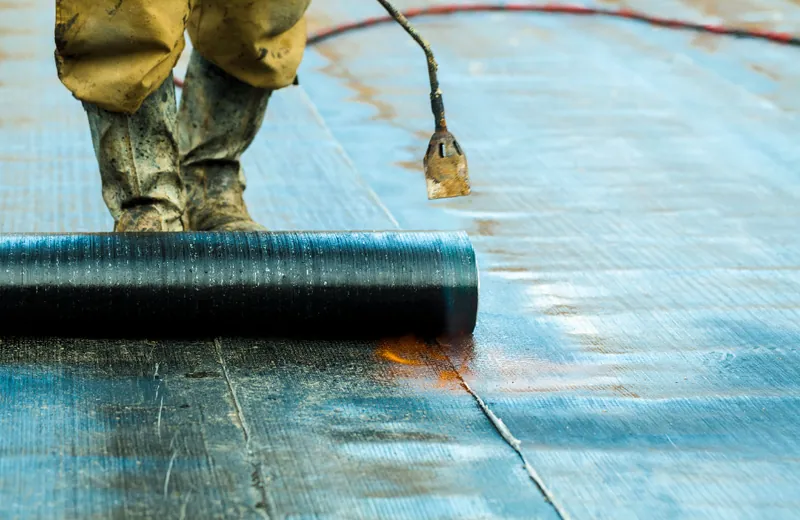
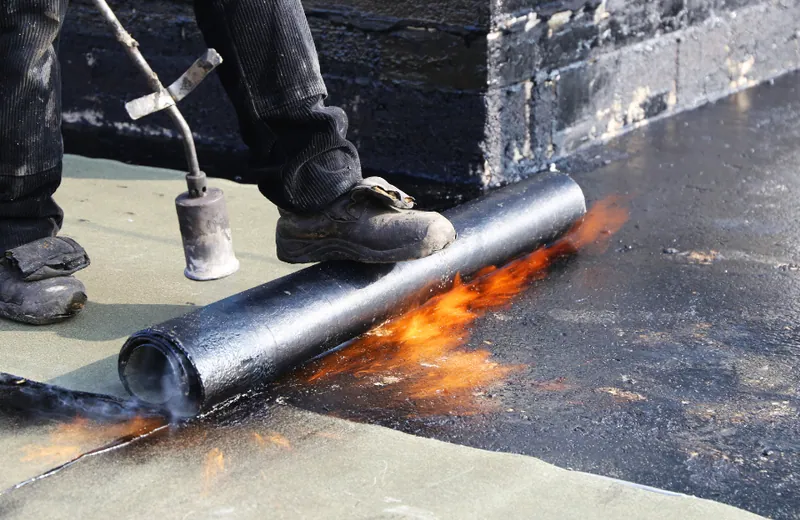
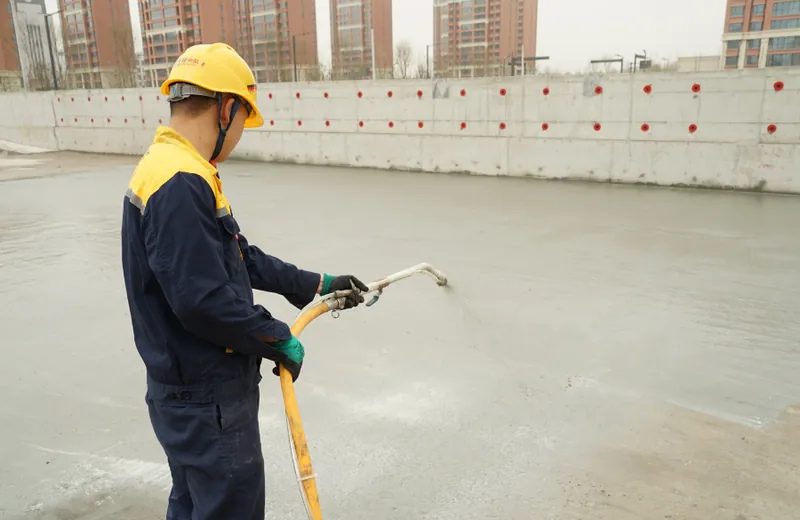
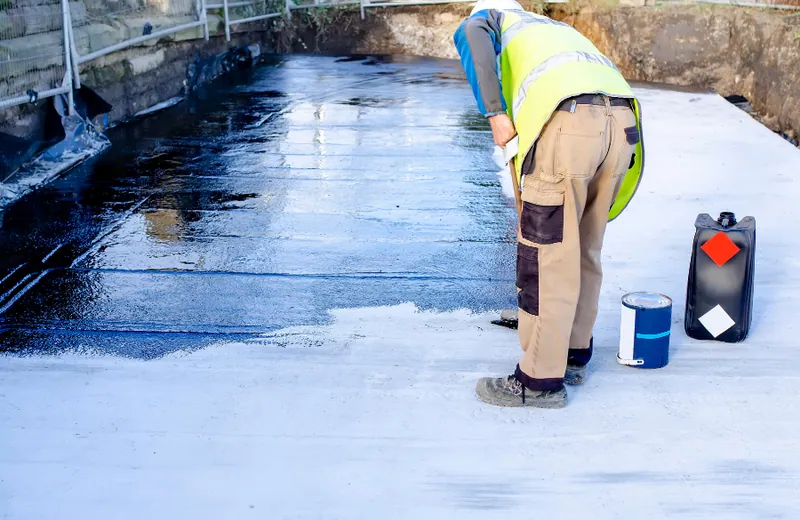
Recent roofing Projects in Hacienda Heights, CA
Hacienda Heights Roofing FAQs
How much does a new roof cost in Hacienda Heights?
Most full residential re-roofs here cost roughly $14,000 to $75,000. Where you fall depends on size, material, pitch, and access. A shingle replacement on a single-story ranch home is at the low end. A tile lift-and-relay on a 2,000 sq ft roof often costs $18,000 to $34,000. New tile on a steep hillside home in a fire zone, especially with solar to remove and reinstall, can reach the top of the range. Decking condition and asbestos testing on older homes can also affect the price. Our free inspection gives you an itemized quote, and financing is available.
My tile roof looks fine. Why is it leaking?
Most likely, the underlayment beneath the tile has failed. Concrete and clay tile can last 50 years or more, but the felt under it often wears out after 25 to 40 years, especially with the attic heat we get here. Tiles shed most of the water, but the underlayment is what keeps it out of your house. When it cracks or crumbles, water that gets past the tiles reaches the decking. That's why so many Hacienda Heights homes leak in the first heavy storm even though the roof looks normal from the street. A lift-and-relay fixes the cause and usually lets you keep your tile.
Do I need a permit to replace my roof in Hacienda Heights?
Yes, a re-roof generally needs a permit. Because Hacienda Heights is unincorporated Los Angeles County, the permit comes from LA County Public Works, Building & Safety, not a city hall. The county also inspects the work and generally limits roofs to two layers before a full tear-off is required. Homes in the Puente Hills Very High Fire Hazard Severity Zones must meet Wildland-Urban Interface rules, including Class A assemblies and ember-resistant details. Some HOAs require architectural approval for color or tile profile. We pull the permit, schedule the inspections, and help with HOA paperwork.
How long does a roof replacement take?
Most single-family re-roofs take about 3 to 10 working days once materials and permits are ready. A simple shingle tear-off on a single-story home is at the short end. A tile lift-and-relay, or a steep multi-level hillside roof with solar to remove and reinstall, takes longer. Permits and any HOA review can add 1 to 3 weeks before work starts. During the rainy season, we schedule around the forecast and won't open a roof when a storm is coming. We'll give you a realistic timeline in your proposal and keep you updated as the job goes.
When should I repair versus replace my roof?
Repair makes sense when the damage is limited to a few cracked tiles, a failed pipe boot, or one flashing problem, and the rest of the roof is in good shape. Plan for a lift-and-relay or replacement if the roof is over 25 years old with original felt, you've had leaks in several places, the decking is soft or stained, there are already two layers, or your insurer is asking about roof age. We'll show you photos from your roof and give you a straight recommendation. Sometimes that means a modest repair now and planning for a bigger project in a few years.
When is the best time to get my roof inspected?
Late summer through early fall, roughly August to October, is ideal in Hacienda Heights. That's before the Santa Ana winds pick up and before the November to March rains. Problems found then can be fixed in dry weather without rushing. You should also schedule an inspection right after a strong wind event or noticeable earthquake, after solar or AC contractors have worked on your roof, when your insurer requests one, or before buying or selling a home. If you're seeing stains or active leaks, don't wait. Call right away.
How can I prevent roof problems and protect against wildfire?
Keep valleys and gutters clear of leaves and needles, especially if you have pepper, eucalyptus, or pine trees nearby. Debris both traps water and catches embers. Make sure your tile ends have bird stops and your vents have ember-resistant mesh. Keep people off tile roofs unless they know where to step, and have installers' work checked afterward. Replace pipe boots before they crack, and have the roof looked at after strong Santa Anas or earthquakes. In fire zones, a Class A roof assembly is your best protection. An annual maintenance visit covers all of this before the rainy season.
Can you work around my solar panels?
Yes. Rooftop solar is common in Hacienda Heights, and many of our repairs and re-roofs involve it. For a full re-roof or lift-and-relay, the panels are removed and stored, the roof is replaced, and then the panels are reinstalled with properly flashed mounts so the attachment points don't leak. We coordinate the timing so your system is offline for as little time as possible. We also often repair tiles cracked during the original solar installation. If your panels are still under a solar company warranty, we'll help you coordinate with them first.
Serving Hacienda Heights, CA & Nearby
Get a Clear Answer About Your Roof Before the Next Storm
Whether you have a stain on the ceiling, a 40-year-old tile roof, or a letter from your insurer, Bennington Roofing will tell you honestly what your roof needs and give you a clear price for it.
- ✓Free inspection with photos from your own roof and attic
- ✓Plain-language comparison of repair, lift-and-relay, and replacement
- ✓Itemized written quote with no pressure
- ✓County permits, fire-zone requirements, and HOA paperwork handled for you
- ✓Bonded and insured crew that respects your home and family
- ✓Financing available for larger projects
- ✓Emergency leak response when storms hit
⚡ Water coming in right now? Call us for emergency tarping and leak control. We'll stop the damage first and document everything for your insurance claim.
Bonded • Insured